
Robot Arms: Revolutionizing Industrial Automation
Industrial automation is transforming the way modern factories operate. Among the most important technologies driving this transformation are robot arms. From automotive manufacturing to electronics, painting, welding, assembly, and material handling, robotic arms are helping businesses improve productivity, precision, and consistency.
As manufacturers look for smarter and more efficient production methods, robot arms have become an essential part of modern industrial automation.
What Is a Robot Arm?
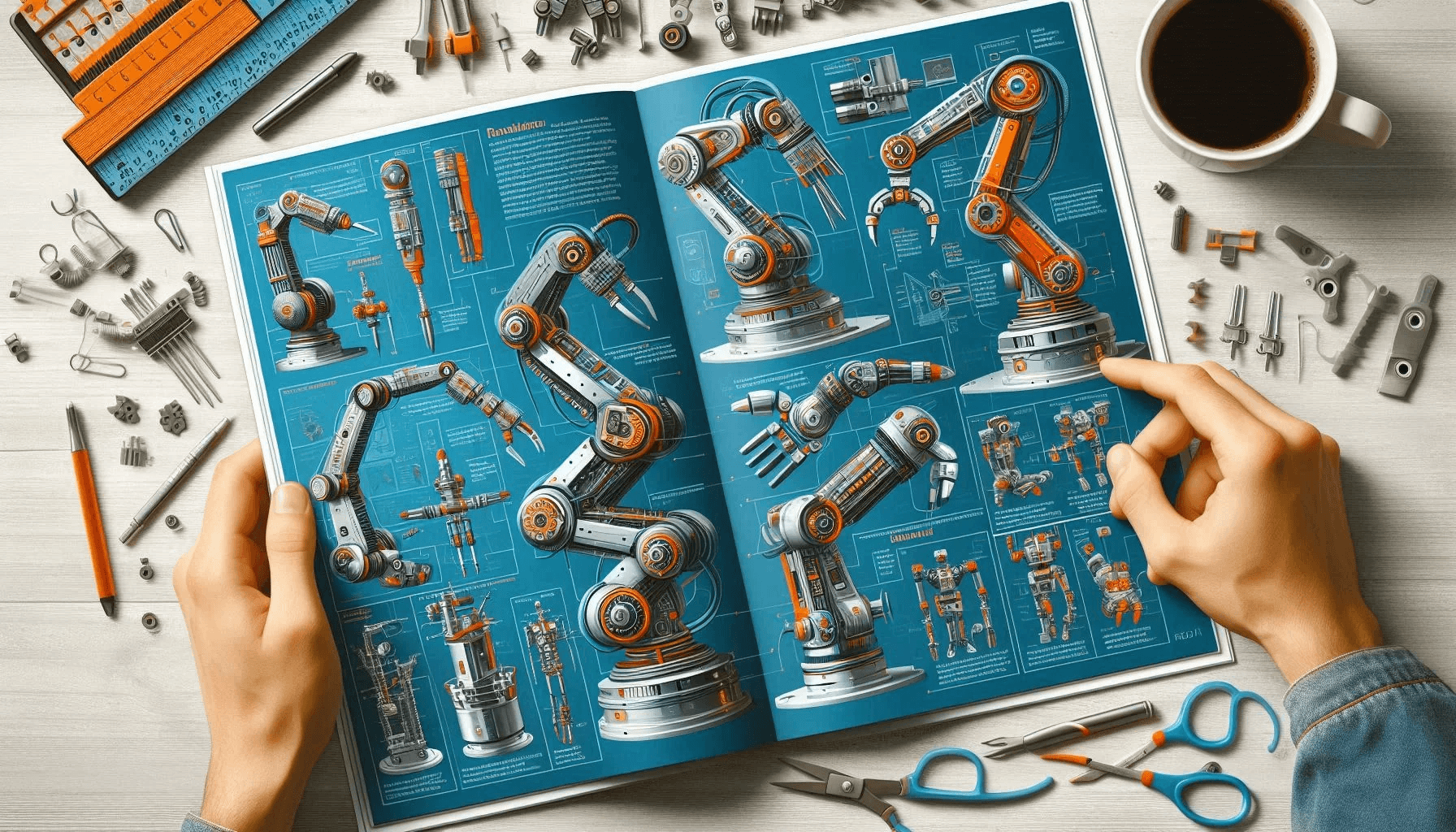
A robot arm is a programmable mechanical device designed to perform industrial tasks with speed, accuracy, and repeatability. It consists of multiple joints and links that allow it to move in different directions, similar to the movement of a human arm.
Modern industrial robot arms can be programmed to perform repetitive or complex operations while working continuously with minimal human intervention.
Depending on the application, robot arms can be equipped with different end-of-arm tools such as:
- Grippers
- Welding torches
- Spray guns
- Suction systems
- Cutting tools
- Assembly tools
- Material handling equipment
This flexibility makes robot arms suitable for a wide range of manufacturing processes.
How Do Robot Arms Work?
A typical industrial robot arm works through a combination of mechanical components, motors, sensors, controllers, and software.
The controller receives programmed instructions and coordinates the movement of each robot axis. Servo motors then move the joints to precisely position the robot at the required location.
A typical robotic system includes:
Robot Arm + Controller + Sensors + End Effector + Software
Together, these components allow the robot to perform tasks accurately and repeatedly.
Applications of Robot Arms
Robot arms are now used across numerous industries.
Spray Painting
Robotic arms can provide consistent spray coverage, controlled movement, and repeatable coating quality.
Robots can perform repetitive welding operations with consistent positioning and accuracy.
Material Handling
Robot arms can pick, move, sort, load, and unload components throughout a production line.
Assembly
Robots can perform repetitive assembly operations while maintaining consistent positioning.
Machine Tending
Robot arms can automatically load and unload CNC machines, reducing manual intervention.
Palletizing
Robotic systems efficiently stack products onto pallets according to predefined patterns.